Itinéraire
Project:
Individual
Date:
2025
Type:
Research
Duration:
nine months
About
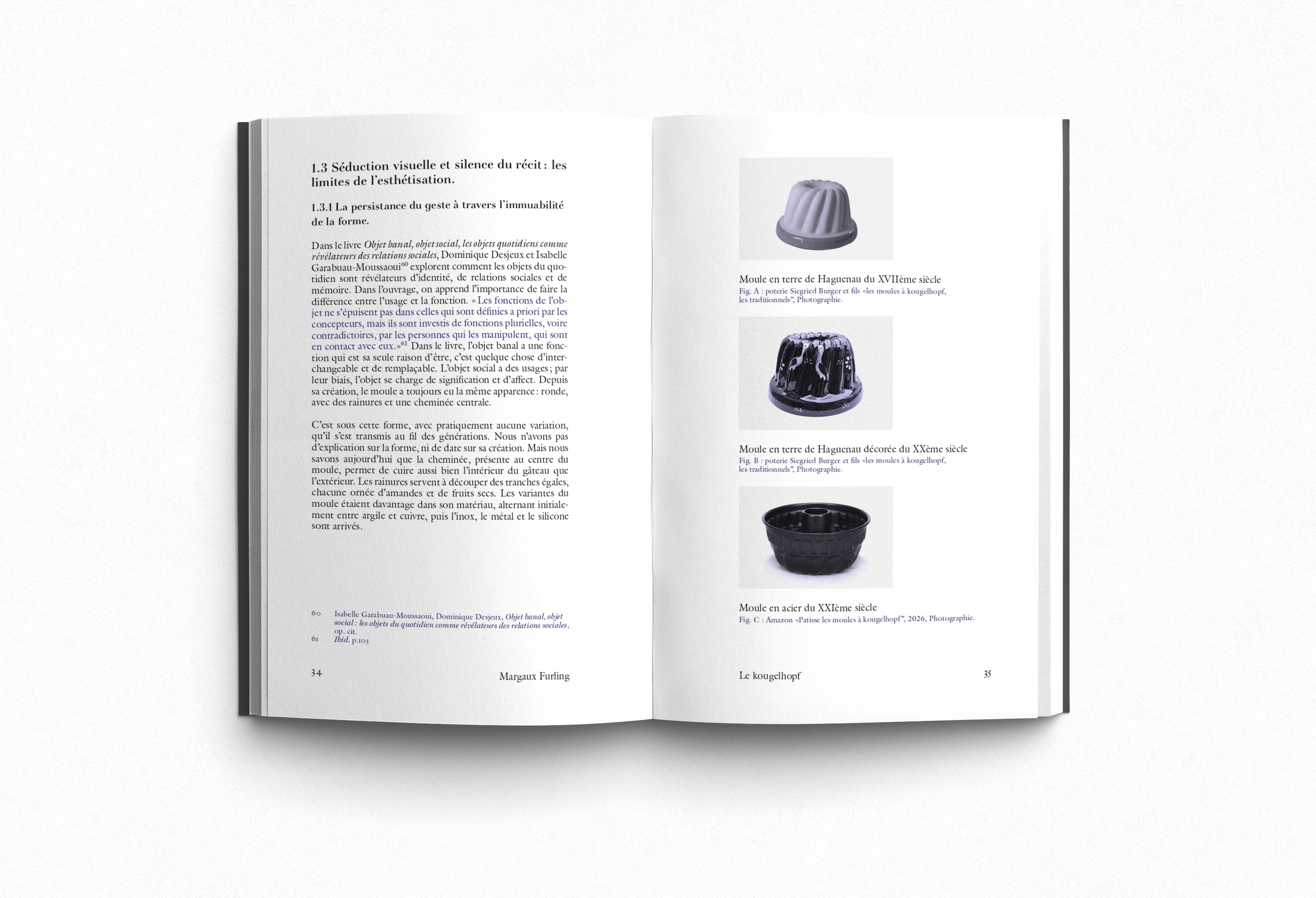
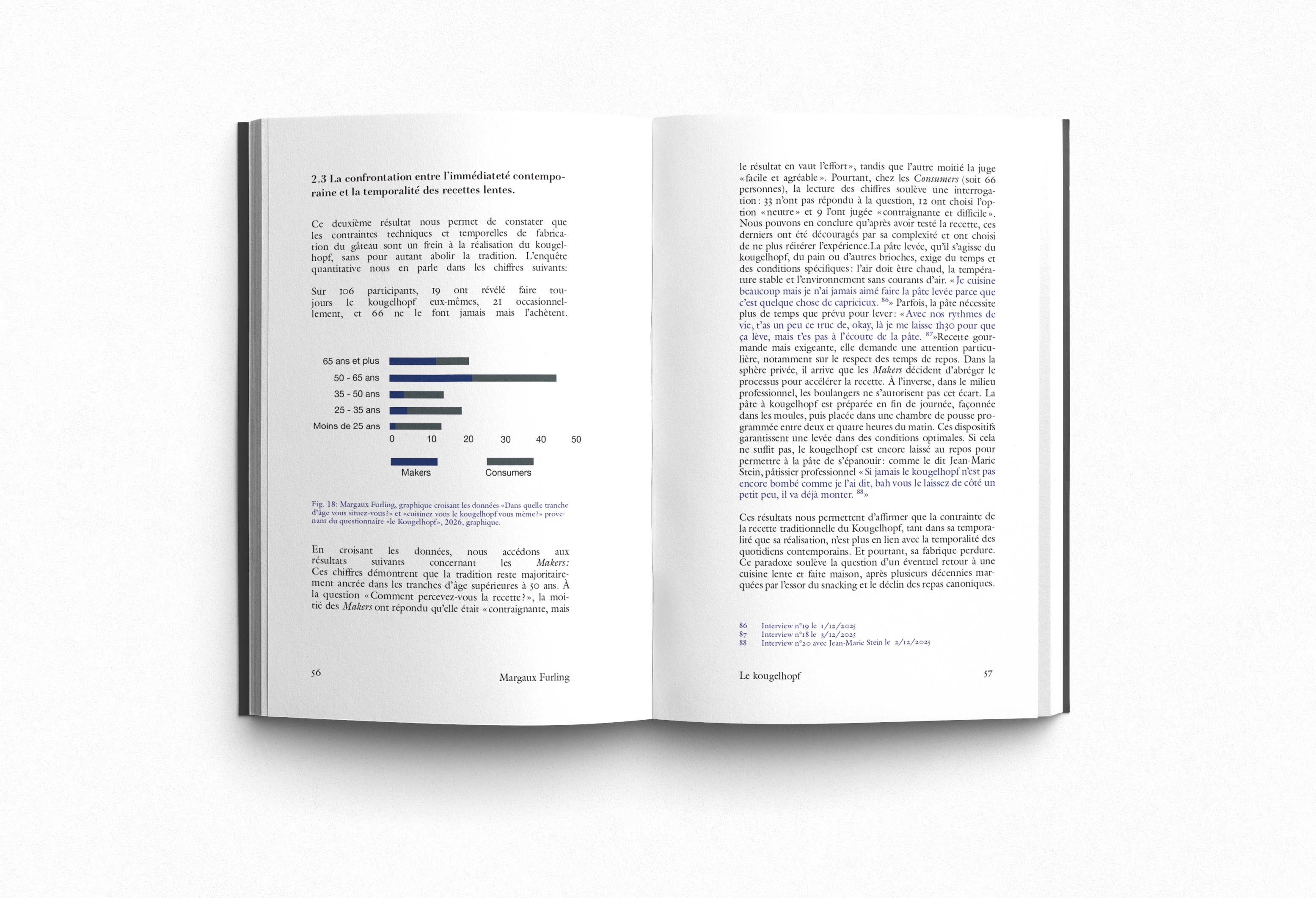
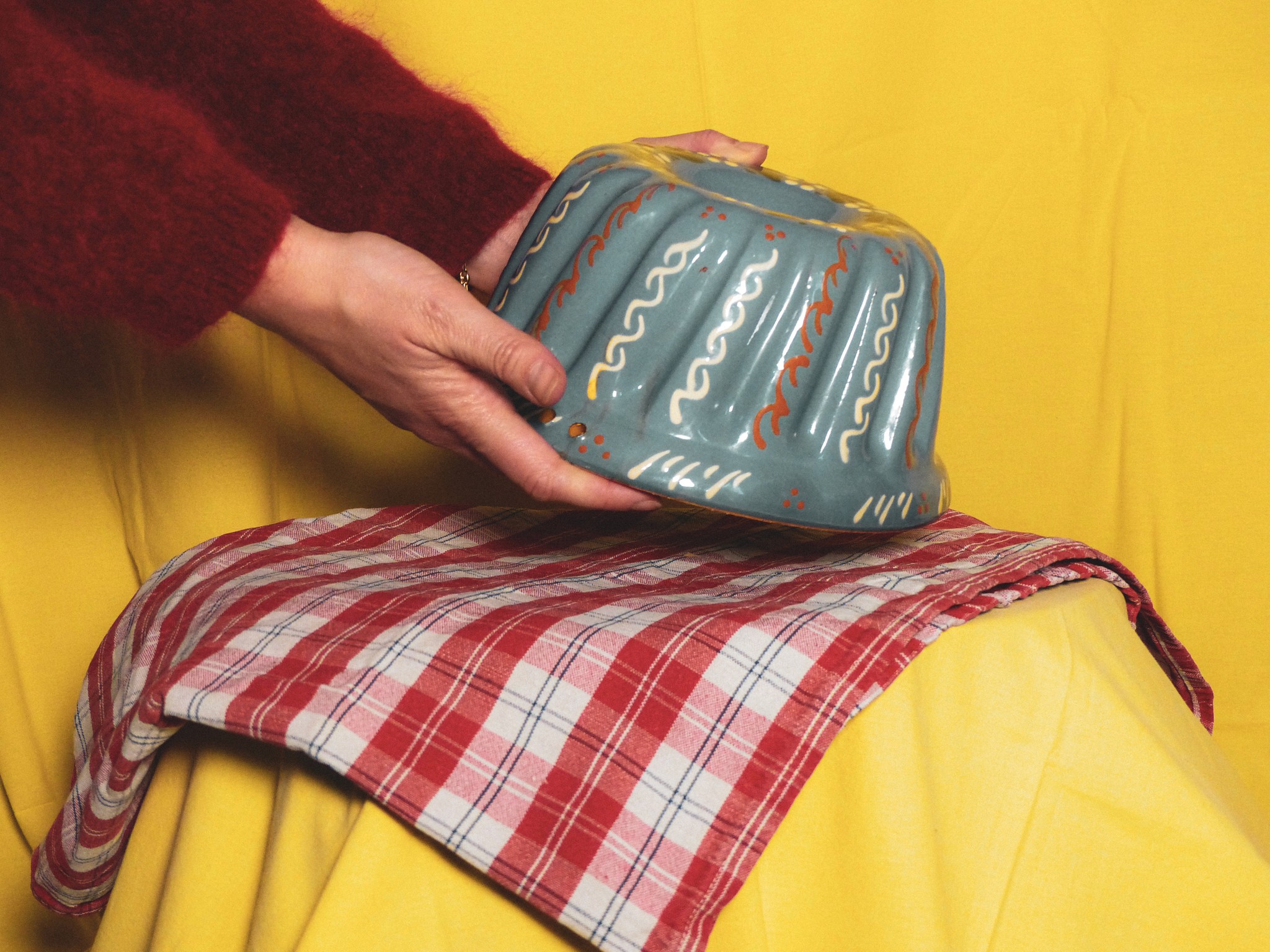
As part of my final year of study, I conducted an in-depth study of traditional objects, with a particular focus on the Kougelhopf mould. Carried out over a full year, this project combines field research, twenty semi-structured interviews, and a quantitative survey to explore the evolution of regional heritage.
Subject
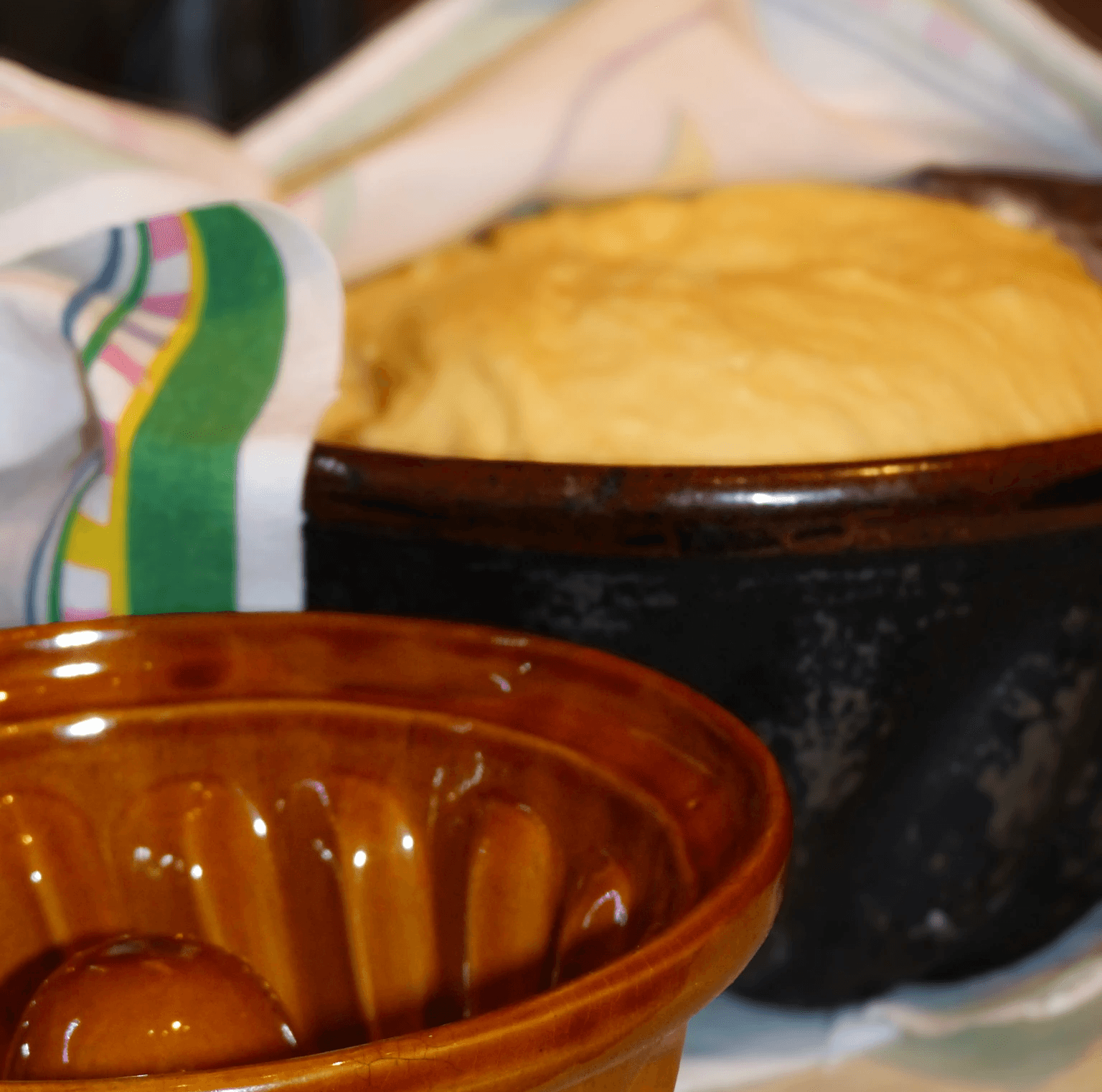
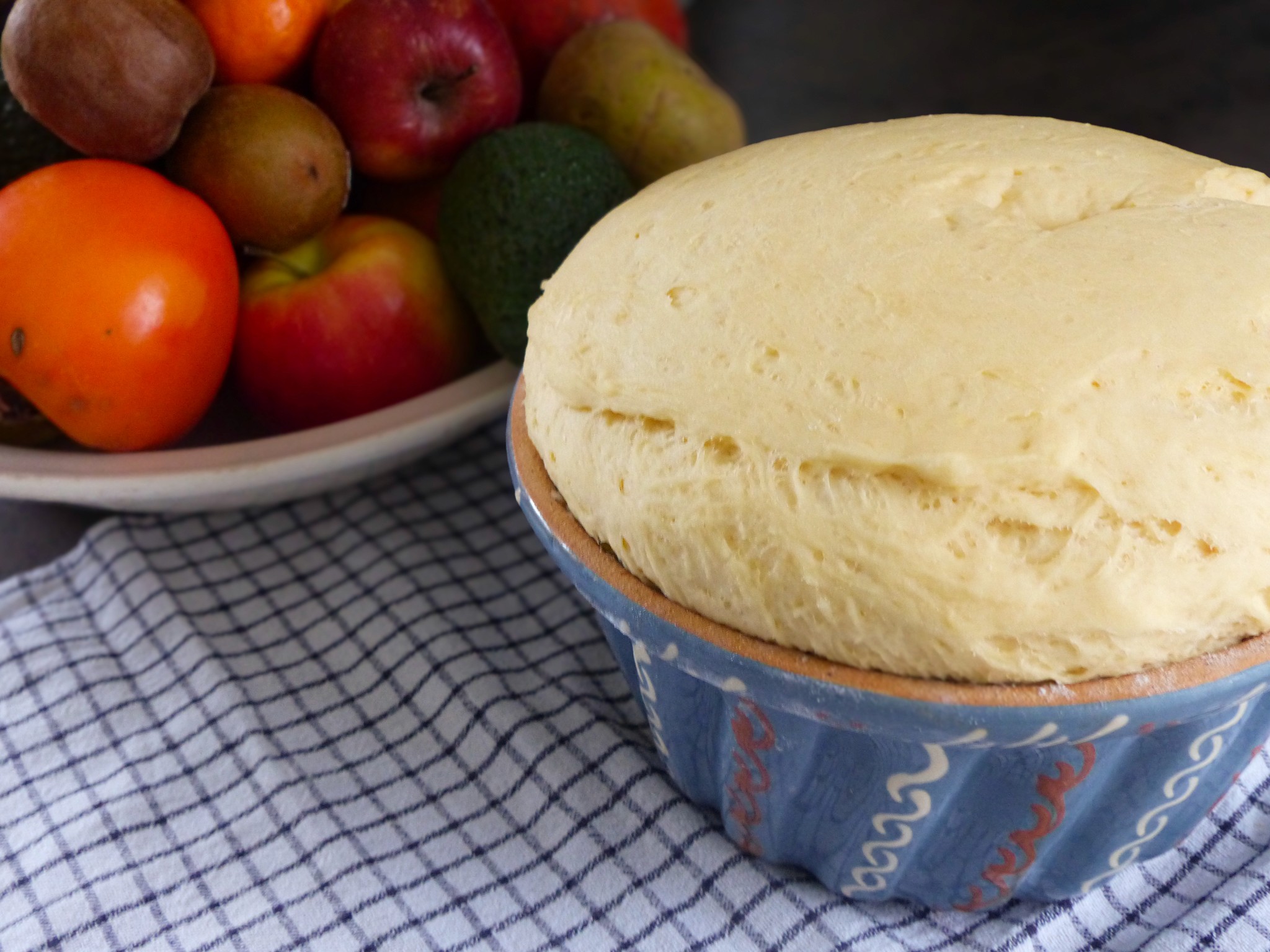
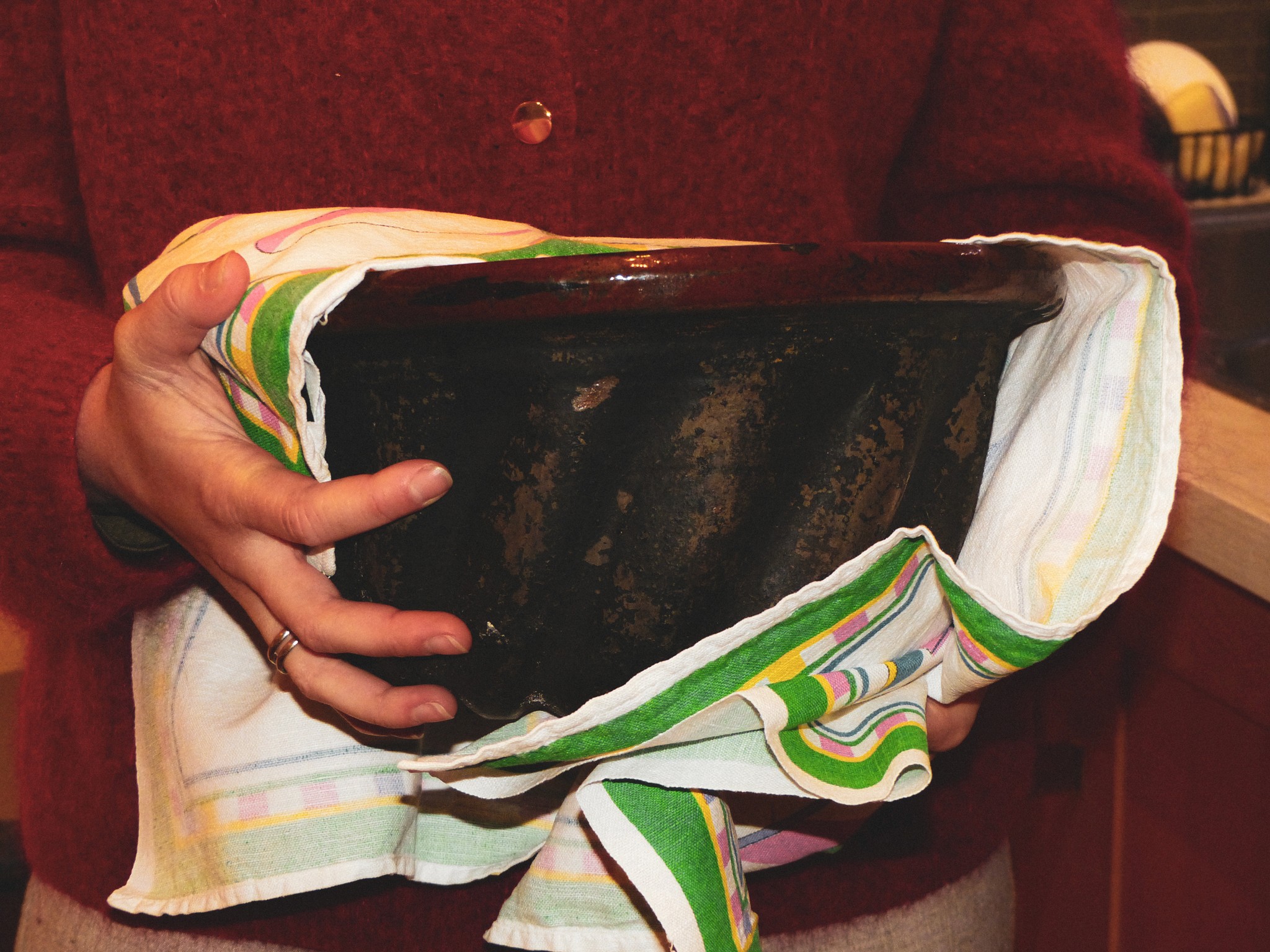
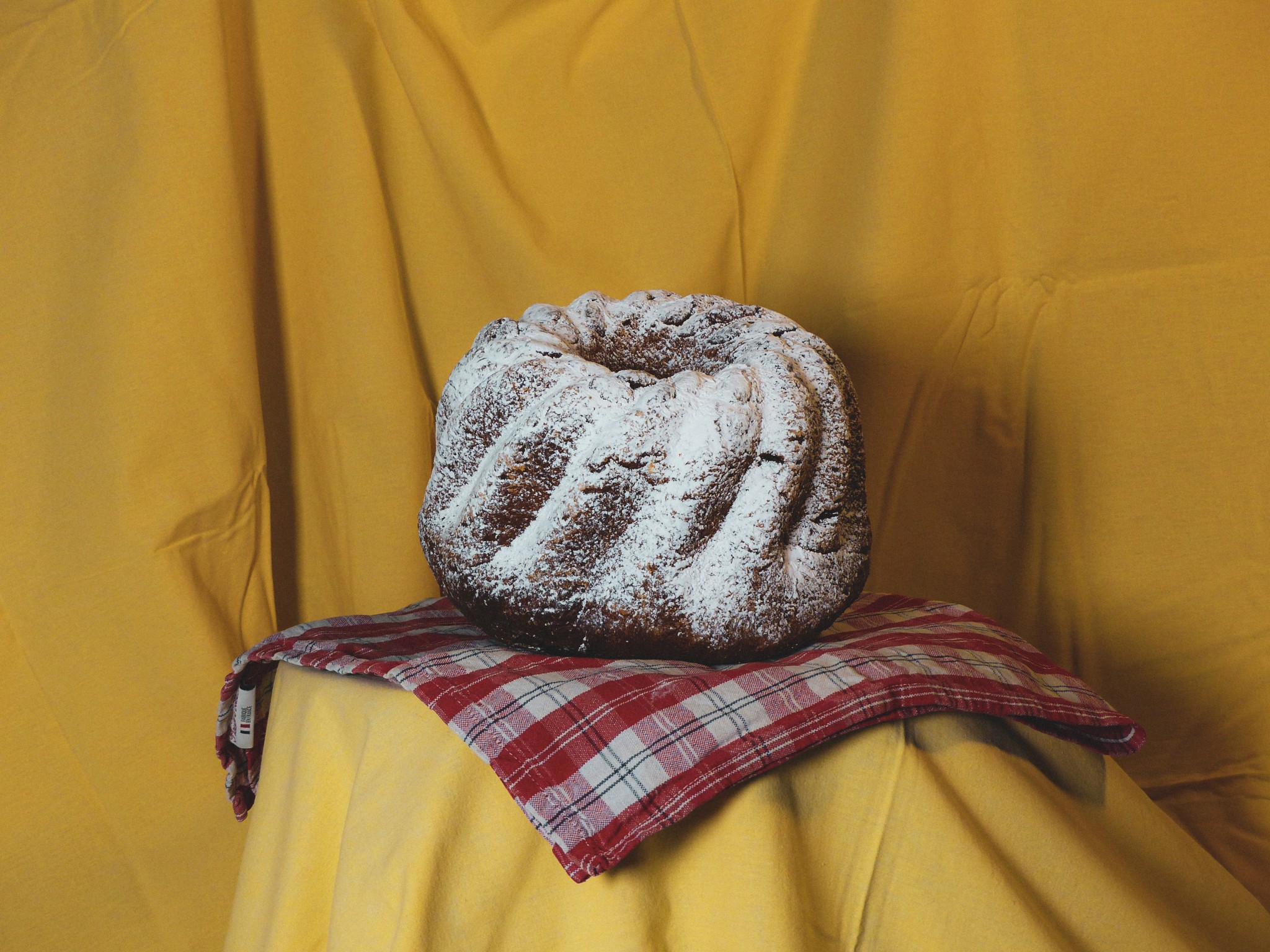
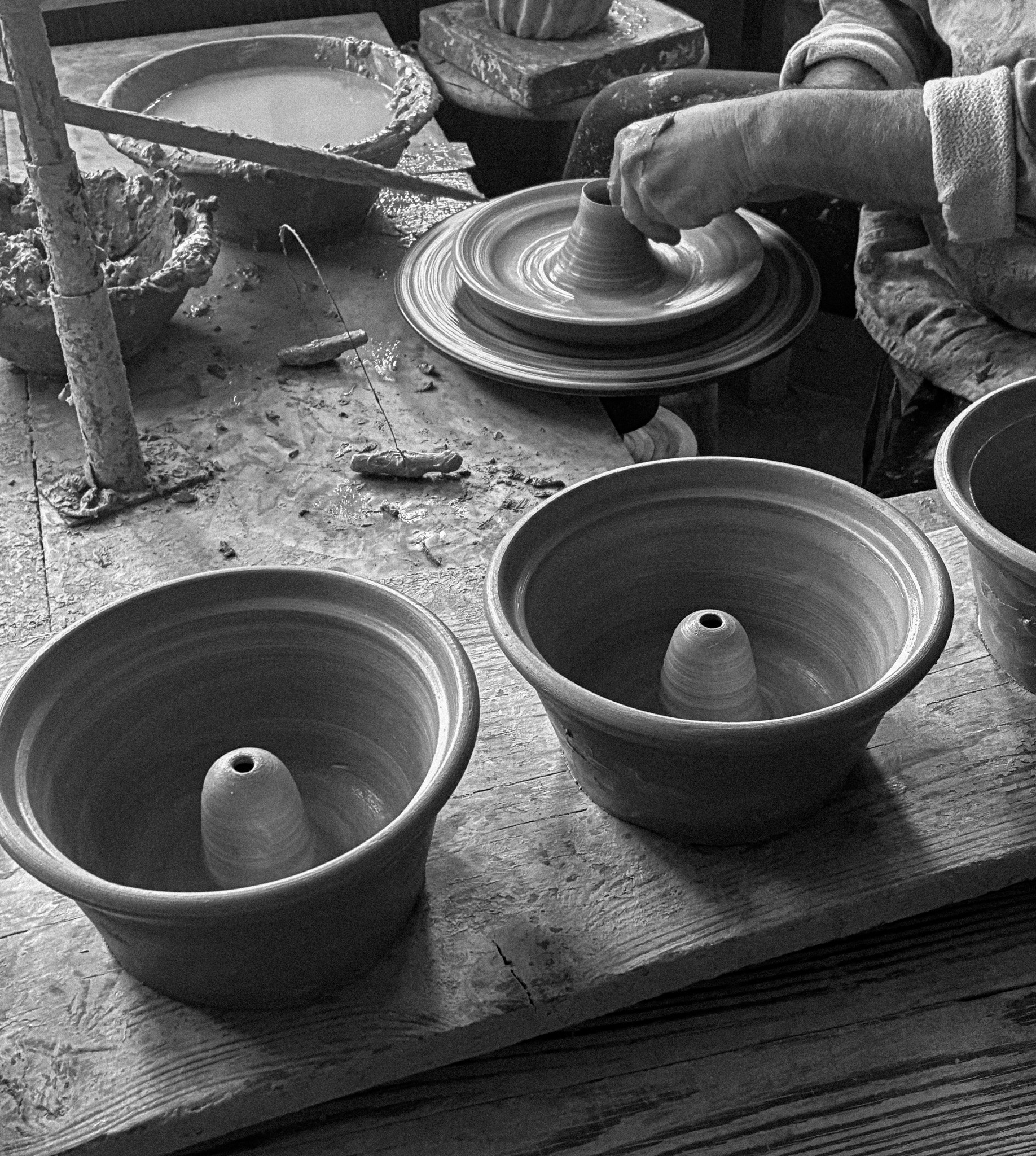
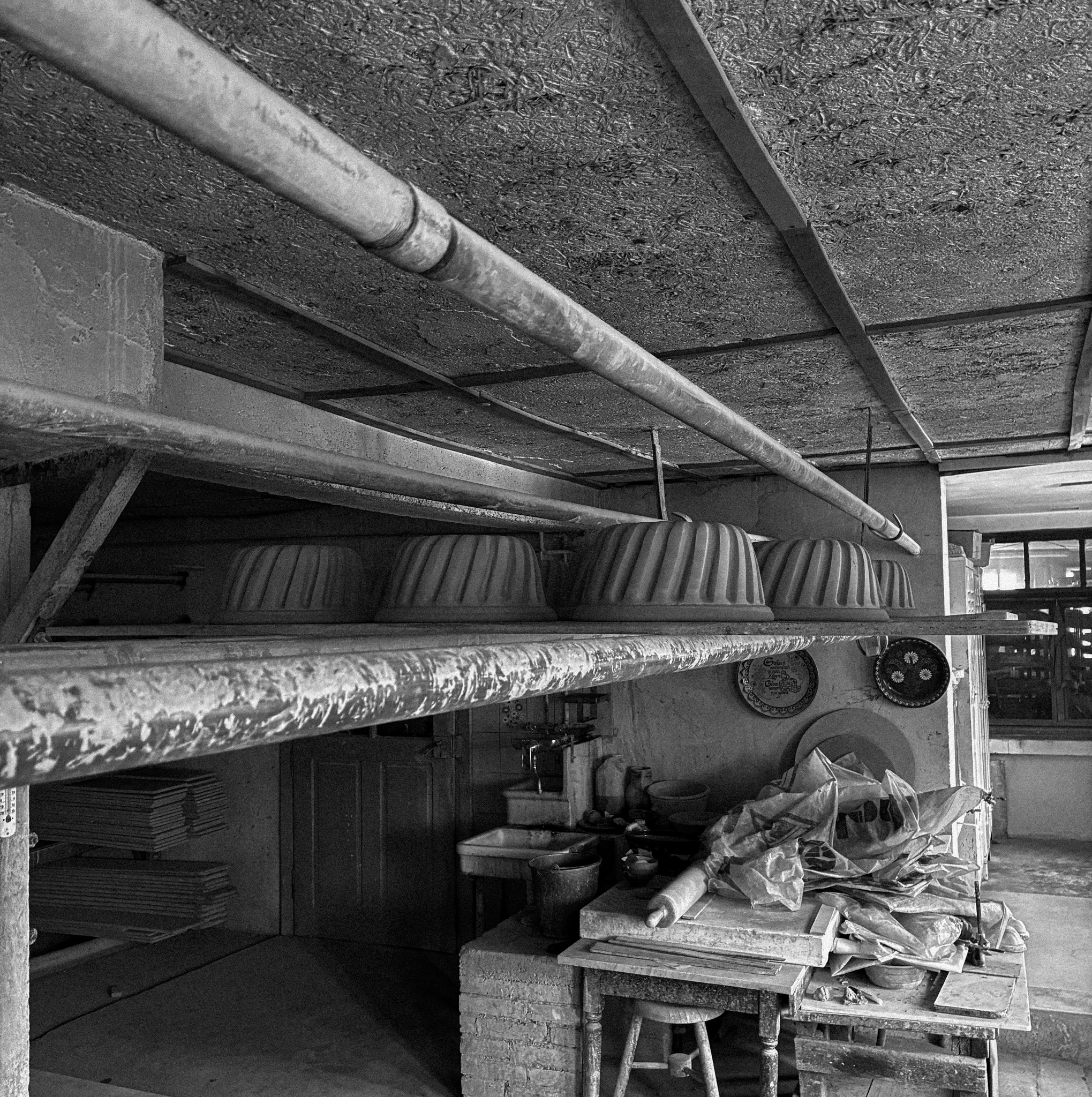
What are these objects, given to seal marriages or communions? They live on and circulate from one era to another, passing from hand to hand for generations. They have known glory, oblivion, abandonment, sometimes upcycling or destruction; a more or less long cycle of repetition. They shape our cultures and traditions, from public holidays to small gatherings. They have lived in homes, museums, and archives. Among this heritage is the kougelhopf mold, accompanied by its carefully crafted recipe. It will be our case study, helping us understand where the life of these objects begins, who are the hands that shape them, allowing them such longevity.
The point
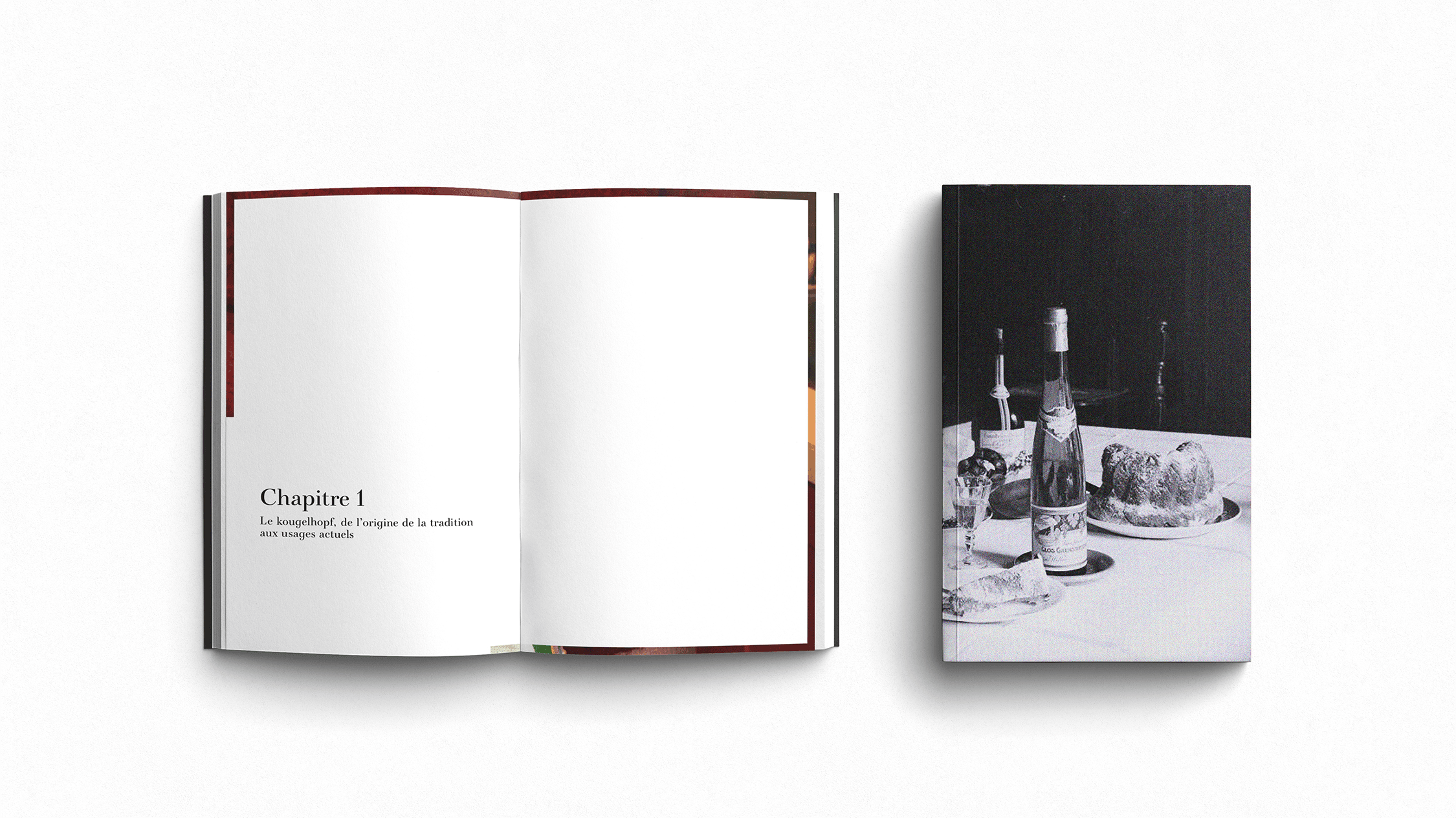
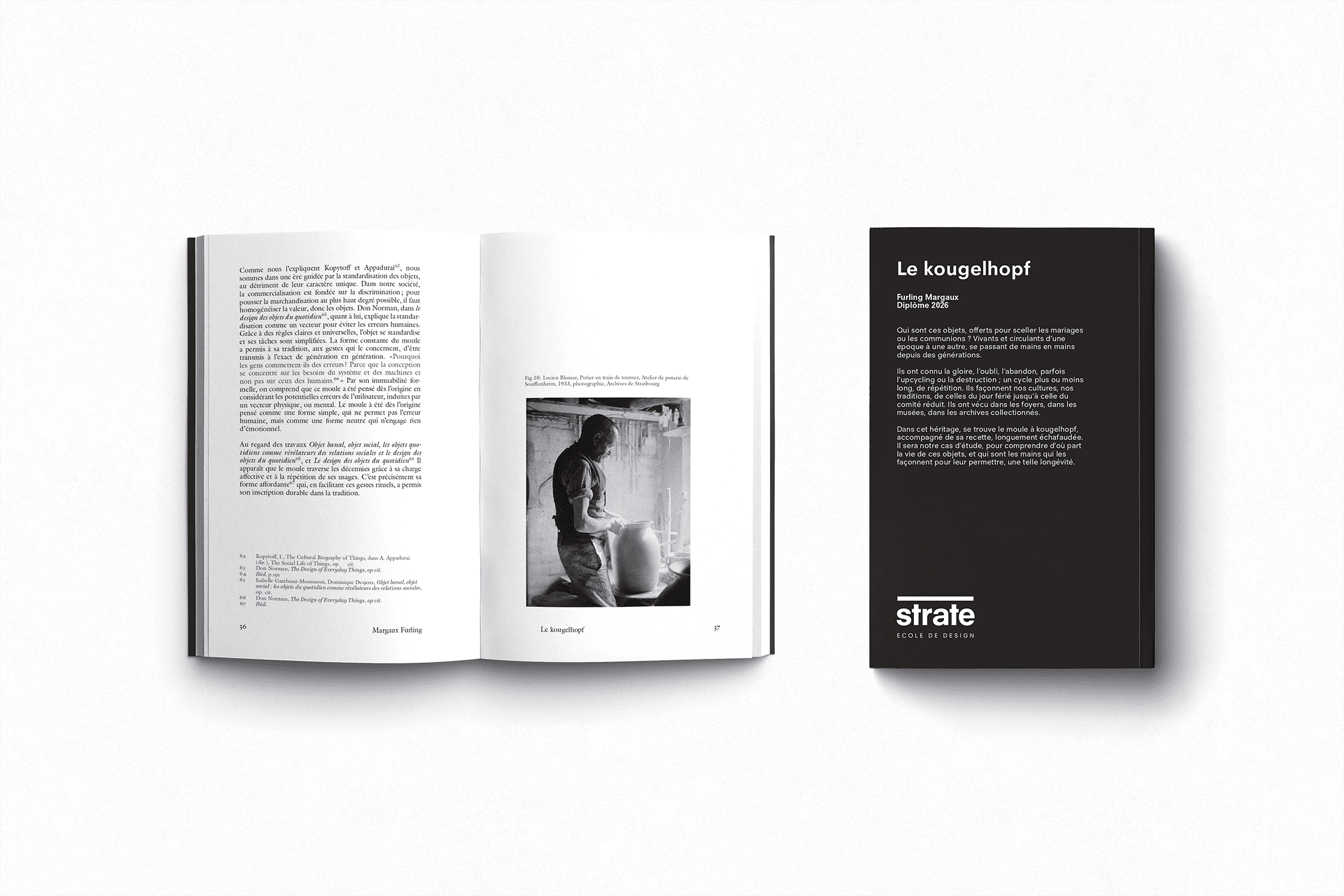
This research project examines the transformation of the kougelhopf mold, a vernacular object now torn between its utilitarian function and its status as a memorial icon. Through the concept of double devaluation, the study analyzes how the sacralization of the object and the temporal constraints of its recipe cause a form of fossilization of tradition. Between the break in material continuity linked to the abandonment of local clay and the emergence of ornamentation as a vehicle for appropriation, this investigation explores the tensions between authenticity and standardization. The challenge is to understand how design can today reactivate this heritage and reintegrate it into the rhythms of 21st-century life without betraying its historical narrative.